
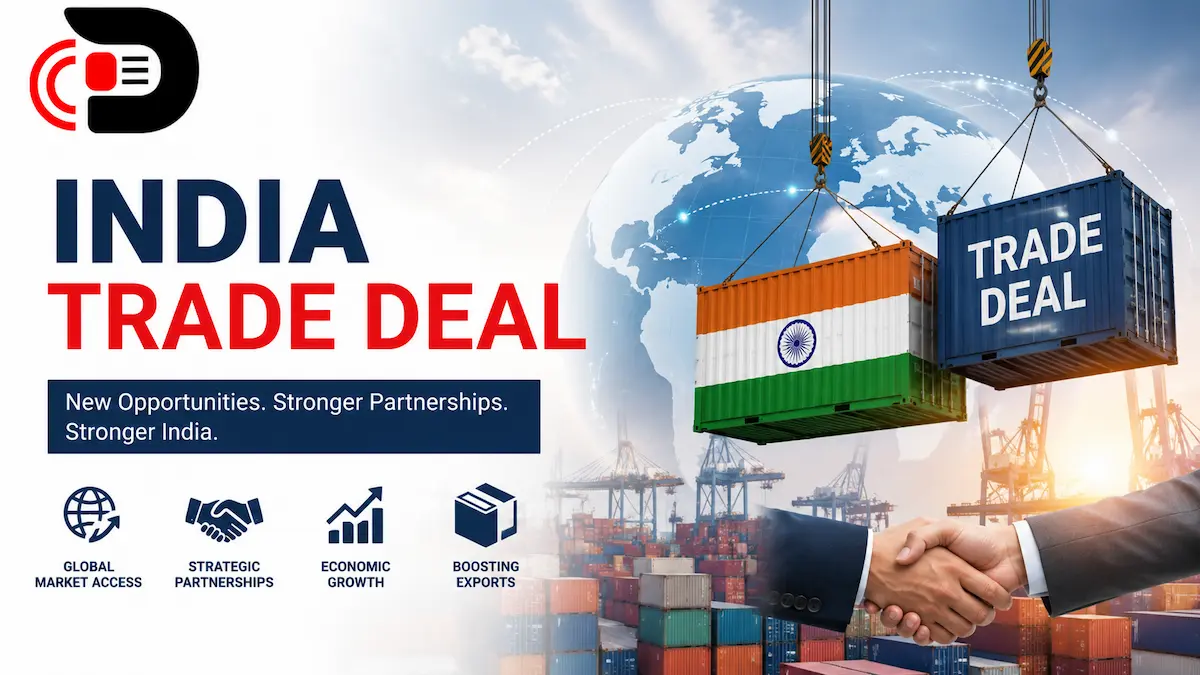

India has become one of the most influential players in global trade, and its recent trade negotiations have attracted the attention of governments, investors, and businesses worldwide. As the world’s fastest-growing major economy continues to expand its international partnerships, every new India Trade Deal has significant implications for global commerce.
From free trade agreements to strategic economic partnerships, India is actively working to strengthen market access, reduce trade barriers and attract foreign investment. These efforts are reshaping supply chains and creating new opportunities for exporters, manufacturers, and consumers.
This article explores the importance of India’s trade agreements, the latest developments, their economic impact, and what lies ahead for businesses operating in the global marketplace.
Why India Is Focusing on Trade Deals
India’s economy has experienced rapid growth over the past decade. With a large consumer market, an expanding manufacturing sector, and a growing digital economy, the country is seeking stronger trade relationships to support long-term development.
Trade agreements help India achieve several key objectives.
- Increase exports to international markets
- Attract foreign direct investment (FDI)
- Strengthen manufacturing and industrial growth
- Improve access to critical raw materials
- Enhance global competitiveness
- Create employment opportunities
As global supply chains evolve, India is positioning itself as a reliable alternative manufacturing and sourcing destination for Western companies.
Understanding an India Trade Deal
A trade deal is an agreement between two or more countries that establishes rules for commercial exchanges. These agreements often reduce tariffs, simplify customs procedures, and encourage investments.
An India trade deal may include provisions related to:
Goods and Merchandise Trade
These agreements lower import and export duties on products such as
- Textiles
- Pharmaceuticals
- Agricultural goods
- Electronics
- Machinery
- Automotive components
Services and Technology
India is a global leader in information technology and professional service sectors. Trade agreements increasingly include provisions covering the following:
- IT services
- Financial services
- Digital trade
- Professional mobility
- Data-related cooperation
Investment Protection
Many agreements provide legal protection for investors, helping to create a more stable business environment.
Recent Developments in India’s Trade Strategy
In recent years, India has shifted toward a more proactive trade policy. Instead of relying solely on multilateral arrangements, Brazil has pursued bilateral and regional agreements with key partners.
Trade Agreements with Major Economies
India has expanded discussions and negotiations with several major trading partners, including:
- The United Kingdom
- The European Union
- Australia
- The United Arab Emirates
- Canada
- Gulf nations
These agreements aim to increase trade volumes and open new sectors for cooperation.
Strengthening Indo-Pacific Partnerships
The Indo-Pacific region has become a major focus of economic collaboration. India is working closely with countries in the Asia-Pacific markets to improve supply chain resilience and reduce dependence on single-country sourcing models.
The Economic Impact of India Trade Deals
Trade agreements can generate benefits across multiple sectors of an economy.
Boosting Exports
Lower tariffs make Indian products more competitive in the foreign markets. Export-oriented industries often experience increased demand after trade barriers are reduced.
Key export sectors include
- Pharmaceuticals
- Engineering goods
- Chemicals
- Textiles
- Information technology services
Supporting Manufacturing Growth
India’s “Make in India” initiative seeks to transform the country into a global manufacturing hub for electronics.
Trade agreements help manufacturers by:
- Expanding market access
- Reducing input costs
- Encouraging technology transfer
- Attracting international investment
Encouraging Foreign Investment
Investors generally prefer countries with strong international-trade networks. New agreements often signal economic stability and long-term growth potential in the region.
As a result, foreign companies may establish
- Manufacturing facilities
- Distribution centers
- Research and development operations
- Technology partnerships
Industries Expected to Benefit Most
Technology and IT Services
India’s technology sector remains one of its strongest economic pillars. Trade agreements that facilitate cross-border services create new opportunities for software companies, consultants, and digital service providers.
Pharmaceuticals
India is one of the world’s largest producers of generic drugs. Reduced trade barriers can help pharmaceutical companies expand their access to international markets.
Agriculture and Food Processing
Agricultural exports often benefit from improved market access and reduced tariff rates. Products such as rice, spices, tea, coffee, and processed foods can gain a greater international reach.
Renewable Energy
As countries invest in clean energy solutions, trade partnerships can encourage collaboration in solar power, battery technology and green infrastructure.
Challenges Facing India Trade Negotiations
Despite the significant opportunities, trade negotiations are rarely simple.
Several challenges frequently arise.
Market Access Concerns
Trading partners often seek broader access to India’s domestic market, while India simultaneously seeks improved access to its exports.
Regulatory Differences
Different standards related to safety, quality, and certification can complicate negotiations between countries.
Protecting Domestic Industries
India must balance international competition with the needs of local businesses, farmers and manufacturers.
Global Economic Uncertainty
Inflation, geopolitical tensions, and changing supply chains can influence trade discussions and implementation timelines in the EU.
How Businesses Can Prepare
Companies that understand trade developments early often gain competitive advantages.
Businesses should consider the following:
- Monitoring tariff changes
- Reviewing export opportunities
- Evaluating new supply chain options
- Understanding regulatory requirements
- Exploring strategic partnerships
- Assessing foreign market demand
For exporters, even small tariff reductions can significantly improve their profit margins and competitiveness.
The Future of India’s Trade Relationships
India is expected to remain a central player in the global trade over the next decade. Its large workforce, growing middle class, and expanding industrial capabilities make it an attractive partner for economies worldwide.
Future trade agreements are likely to focus on the following:
- Digital commerce
- Green technology
- Supply chain security
- Advanced manufacturing
- Services trade
- Sustainable development
As global trade patterns continue to evolve, India’s role in shaping economic partnerships is expected to grow.
FAQs India Trade Deal
1. What is the India trade deal?
An India trade deal is an agreement between India and another country or group of countries that establishes rules for trade, investment, tariffs, and economic cooperation.
2. Why are India’s trade agreements important?
They help increase exports, attract investment, create jobs, improve market access, and strengthen economic growth.
3. Which sectors benefit most from Indian trade deals?
Technology, pharmaceuticals, manufacturing, agriculture, renewable energy, and professional services are among the largest beneficiaries.
4. Do trade agreements reduce tariffs
Yes. One of the primary goals of many trade agreements is to lower or eliminate tariffs on selected products.
5. How do businesses benefit from new trade agreements
Businesses can access larger markets, lower operating costs, improved supply chains, and increased opportunities for international expansion.
Conclusion India Trade Deal
India’s expanding network of trade agreements reflects its growing influence on the global economy. By reducing barriers, encouraging investment, and opening new markets, each Indian trade deal has the potential to strengthen economic ties and create opportunities across multiple industries.
Understanding these agreements is becoming increasingly important for businesses, investors, and policymakers. As India continues to deepen its international partnerships, trade deals will play a crucial role in shaping its future economic growth, competitiveness, and global market integration.
repost: and Diligence: The Everyday Habit That Separates Success from Regret