
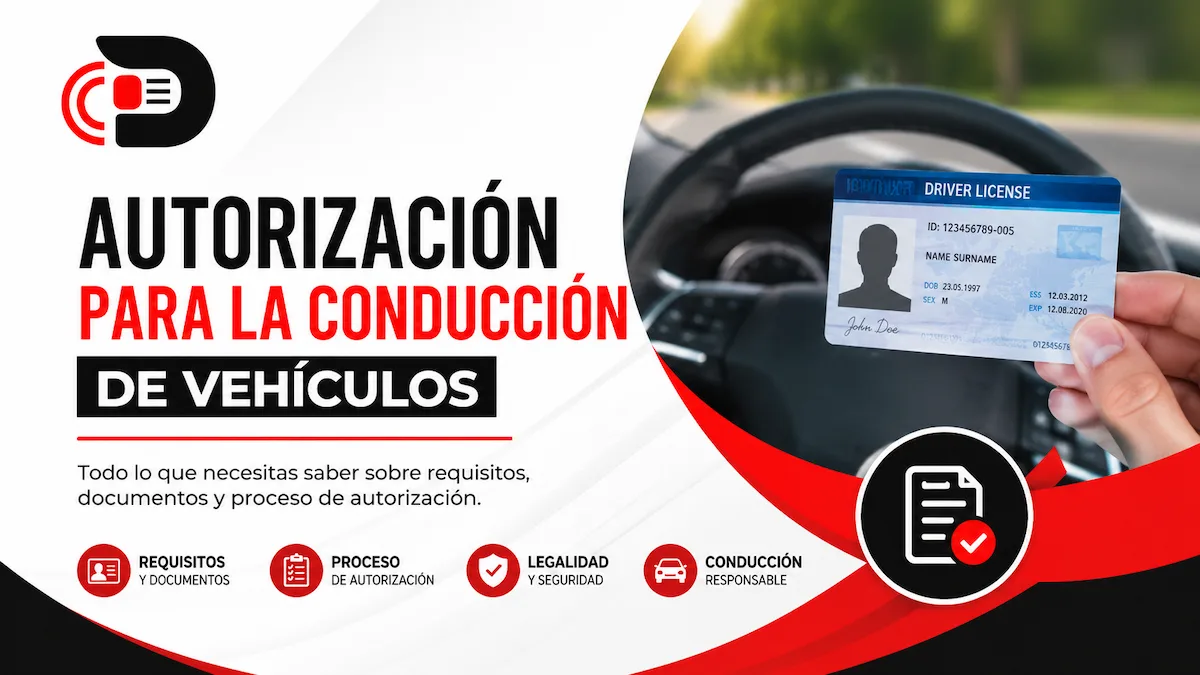

Driving a vehicle can be a liberating experience, but it also brings responsibilities. One of these is learning about Autorización para la Conducción de Vehículos Whether you’re driving a personal vehicle, operating a commercial vehicle, or transporting company property, knowing your … helps you avoid unwelcome surprises at the DMV.
In many jurisdictions, proper licensing is a key component of road safety, vehicle management, and regulatory compliance.
This article discusses what Autorización para la Conducción de Vehículos is, why it’s important, and what drivers need to do to be fully licensed and legal.
What Is Autorización para la Conducción de Vehículos?
Autorización para la Conducción de Vehículos is a type of official permission, or authorization, for the operation of a vehicle.
Based on your jurisdiction of registry, this can involve:
Driver’s licensing departments in all U.S. states offer a range of driver’s licenses, each with their own criteria and restrictions. Additionally, most commercial vehicle operators must obtain a commercial driver’s license (CDL). A CDL is required to operate any commercial vehicle and covers a wide range of commercial motor vehicle types, including tankers, school buses, and tractor-trailers.
- A valid driver’s license
- Written permission from a vehicle owner
- Employer authorization for company vehicles
- Temporary driving permits
- Special permits for commercial or heavy vehicles
The exact requirements vary by jurisdiction, but the primary purpose remains the same: ensuring that the person behind the wheel is legally authorized to drive.
Why Is Driving Authorization Important?
Driving authorization is more than just a formality. Here are some reasons why it is important.
Better Road Safety
Authorities utilize licensing and authorization to ensure road safety.
Protecting Vehicle Owners
Proper licensing ensures that those behind the wheel are qualified and responsible.
Having your car driven by someone who is not authorized by you can cause complications if the driver gets into an accident
Insurance companies also require drivers to be properly licensed and authorized.
Better Insurance Coverage
Insurance companies require drivers to be properly licensed and authorized in order to file a claim under their policy. Having someone drive your car that is not licensed/authorized could result in denied claims or legal action from companies like insurance agencies.
Meeting Legal Obligations
Driving without proper authorization may result in:
- Fines
- Vehicle impoundment
- License suspension
- Legal proceedings
- Insurance complications
Situations Where Autorización para la Conducción de Vehículos Is Required
Different scenarios may require documented authorization.
Driving a Company Vehicle
Businesses frequently provide vehicles to employees. In these cases, employers may issue formal authorization documents that identify:
- Authorized drivers
- Vehicle information
- Usage limitations
- Duration of authorization
Operating Rental Vehicles
Rental companies generally require customers to present a valid driver’s license and comply with contractual conditions before authorization is granted.
Driving Abroad
International travelers often need additional documentation, such as:
- International Driving Permits (IDPs)
- Temporary local driving permits
- Proof of vehicle ownership or authorization
Commercial Transportation
Drivers operating trucks, buses, taxis, or specialized vehicles may need additional certifications and endorsements beyond a standard license.
Common Requirements for Obtaining Authorization
While regulations differ between countries, several common requirements frequently apply.
Valid Identification
Applicants typically must provide official identification documents.
Driving License
A current and valid driver’s license remains the most fundamental requirement.
Vehicle Documentation
Authorities or organizations may request:
- Vehicle registration
- Insurance certificates
- Ownership documents
- Lease agreements
Additional Certifications
Commercial drivers often need specialized training and certification depending on the vehicle type and cargo.
How to Apply for Driving Authorization
The application process usually follows several straightforward steps.
Step 1: Gather Required Documents
Prepare all necessary documents before beginning the process.
Common examples include:
- Identification card or passport
- Driver’s license
- Vehicle registration documents
- Insurance records
Step 2: Submit an Application
Applications may be submitted:
- Online
- Through government offices
- Via employers
- Through transportation authorities
Step 3: Verification Process
Authorities may verify:
- Driving history
- License validity
- Insurance coverage
- Vehicle ownership status
Step 4: Receive Authorization
Once approved, drivers may receive:
- A permit
- A certificate
- A digital authorization record
- Employer-issued documentation
Digital Transformation in Vehicle Authorization
In recent years, transportation authorities worldwide have embraced digital systems.
Several governments now offer:
- Electronic permits
- Mobile driver credentials
- Digital vehicle registration records
- Online verification platforms
These innovations reduce paperwork while making compliance easier for drivers and organizations.
Digital verification also helps law enforcement quickly confirm whether a driver has valid authorization.
Common Mistakes Drivers Should Avoid
Even experienced drivers sometimes overlook important details.
Driving With Expired Documents
One of the most common issues is failing to renew licenses or permits on time.
Assuming Permission Is Automatic
Borrowing a vehicle from a friend or family member may still require compliance with local laws and insurance requirements.
Ignoring Commercial Vehicle Rules
Commercial operations often involve stricter regulations than private driving.
Failing to Carry Documentation
Drivers should keep required documents readily available whenever operating a vehicle.
Best Practices for Staying Compliant
To avoid legal complications, drivers should adopt a proactive approach.
Consider the following practices:
- Regularly review license expiration dates
- Maintain updated insurance coverage
- Verify employer authorizations when driving company vehicles
- Keep digital and physical copies of important documents
- Stay informed about local transportation regulations
These simple habits can help prevent costly mistakes and ensure uninterrupted driving privileges.
Understanding International Differences
The rules surrounding autorización para la conducción de vehículos differ significantly around the world.
Some countries recognize foreign licenses for short periods, while others require visitors to obtain local permits immediately.
For businesses operating internationally, understanding regional regulations is particularly important. Fleet managers and transportation companies often maintain dedicated compliance programs to ensure drivers meet local legal requirements.
The Future of Driving Authorization
The transportation sector continues to evolve rapidly.
Emerging trends include:
- Digital driver’s licenses
- Real-time license verification
- Integrated vehicle databases
- Enhanced fraud prevention systems
- Cross-border digital permit recognition
As governments modernize transportation systems, obtaining and verifying authorization is becoming faster, more secure, and more accessible.
FAQs
1. What is the meaning of autorización para la conducción de vehículos?
It refers to an authorization or permission of the driver by law that allows a person to operate a vehicle according to the rules and regulations.
2. Is a driver’s license the only requirement for a driver to have a roadworthy license?
A driver’s license is the requirement for most people, but it can also depend on some cases and the specific industry of the driver.
3. Is there an authorization required when operating a company vehicle?
There are a lot of requirements needed for driving a company’s vehicle depending also on the employers.
4. What are the penalties for unauthorized driving?
The penalties for drivers without authorization can include fines, roadblocks, impounding of the vehicle, and other penalties from the law.
5. Are there digital permits for driving?
Yes, there are digital permits and approvals required for driving nowadays by different countries and authorities.
Conclusion
The concept of autorización para la conducción de vehículos is necessary for vehicle owners and operators to ensure that they know their responsibilities and liabilities when on the road or using a vehicle. The proper understanding of this term is vital to avoid unnecessary penalties and to keep roads safe. As the world evolves and goes more digital, managing driving authorization has never been easier. Just make sure that you have everything authorized and legal to prevent unwanted issues on the street.
Type Bee zee News