

Introduction
Every community desires better roads, reliable healthcare, quality schools, clean water, and opportunities for economic growth. The challenge is deciding what should be done first, where resources should go, and how development can benefit the greatest number of people in the future. A County Integrated Development Plan (CIDP) is essential in this regard.
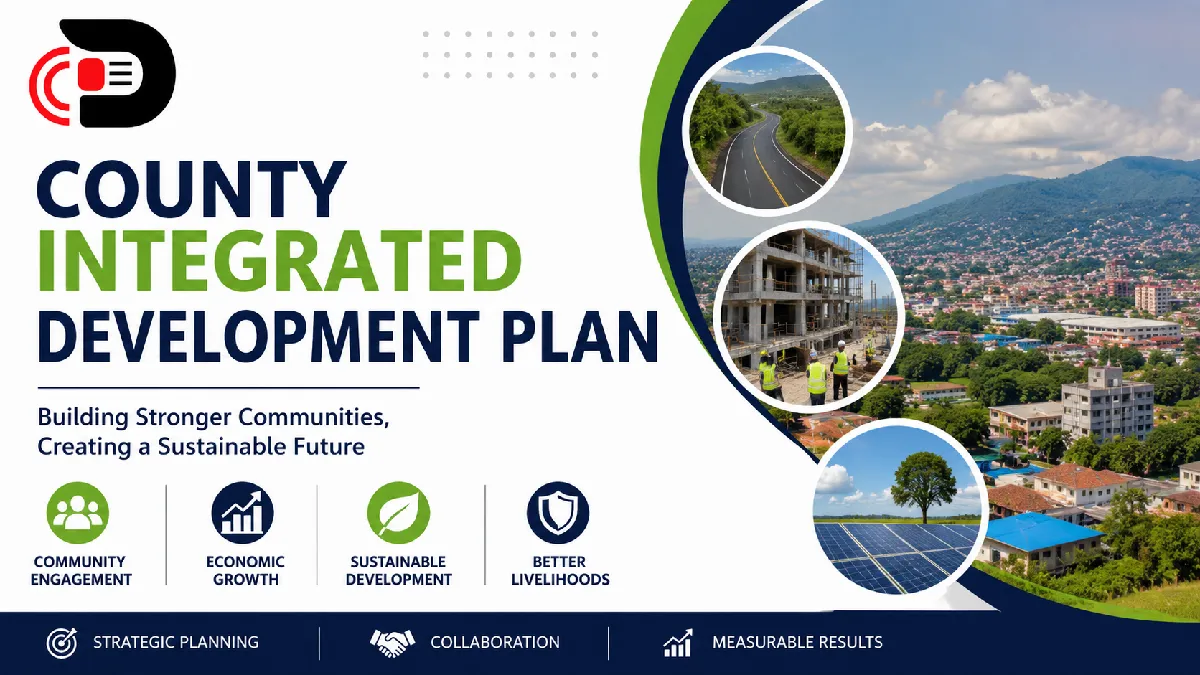
A County Integrated Development Plan is more than a government document that sits on a shelf. It acts as a practical roadmap that guides the development of a county over several years. By identifying priorities, setting measurable goals, and coordinating projects across different sectors, the plan helps to ensure that public resources are used effectively.
As populations expand and communities face increasing pressure from urbanization, climate change, and economic uncertainty, strategic planning has become increasingly important. Counties that plan carefully are often better positioned to attract investment, improve public services, and create lasting opportunities for their residents.
Best Idea County Integrated Development Plan
A County Integrated Development Plan is a comprehensive framework that outlines a county government’s development priorities, objectives, and implementation strategies. Instead of addressing issues separately, the plan brings together different sectors under a coordinated vision.
Typically, a CIDP covers the following areas:
- Infrastructure and transportation
- Healthcare services
- Education and skills training
- Agriculture and food security
- Water and sanitation
- Housing and urban development
- Environmental conservation
- Economic development and investment
- Governance and public administration
The goal is simple: to ensure that development efforts work together rather than compete with one another.
For example, building a new agricultural market may also require improved roads, reliable electricity, water access and training programs for local farmers. The CIDP helps connect these pieces into a single development strategy.
Why County Integrated Development Plans Matter Issu
Without a clear plan, development projects may become fragmented. One department may focus on road construction, while another invests in healthcare, with little coordination between them. This often leads to inefficiency and missed opportunities.
A well-designed County Integrated Development Plan can help solve these challenges.
Creating a Clear Direction
The CIDP establishes long-term goals and ensures that development projects support a common vision.
For instance, if a county wants to become a leading agricultural region, investments may focus on irrigation systems, farm-to-market roads, storage facilities and agricultural training centers.
Making Better Use of Resources
Public funds are limited. Counties must decide which projects will have the greatest impact.
Rather than spreading resources too thinly across dozens of initiatives, a development plan helps prioritize projects that address urgent needs and deliver measurable benefits to the community.
Strengthening Accountability
When objectives and targets are clearly defined, citizens can track progress more easily. Local leaders can also evaluate whether the projects deliver the expected results.
Encouraging Community Involvement
Development plans are often shaped by public consultations. Residents, business owners, community organizations, and other stakeholders have the opportunity to voice their concerns and suggest priorities.
This collaborative approach often produces better outcomes because local people understand their challenges better than anyone else.
Supporting Sustainable Growth
Economic development is important, but it should not come at the expense of environmental protection or social inclusion. A CIDP helps to balance these priorities to support long-term sustainability.
Key Components of a County Integrated Development Plan
Although the format may differ from one county to another, most plans include several important sections.
Situational Analysis
Before setting goals, planners need a clear understanding of the current conditions.
This assessment typically examines the following:
- Population growth
- Employment levels
- Economic activities
- Infrastructure availability
- Access to healthcare and education
- Environmental conditions
- Natural resources
For example, if the data show that a large percentage of residents lack access to clean water, water infrastructure may become a top development priority.
Vision and Development Goals
Every successful plan begins with a clear vision.
Some counties may aspire to become major tourism destinations, while others focus on industrial growth, technological innovation, or agricultural productivity.
This vision provides direction for future investments and policy decisions.
Sector Priorities
Development priorities are typically organized by sector.
Examples include:
Agriculture
- Expanding irrigation systems
- Improving market access
- Supporting value-added processing
Healthcare
- Building new health facilities
- Hiring medical personnel
- Expanding maternal healthcare services
Education
- Constructing classrooms
- Improving digital learning resources
- Supporting vocational training
Infrastructure
- Upgrading roads and bridges
- Improving public transportation
- Expanding electricity coverage
Project Identification
Once priorities are established, specific projects are selected for implementation.
Examples may include:
- Construction of a regional hospital
- Rehabilitation of rural roads
- Expansion of water supply networks
- Youth entrepreneurship programs
- Agricultural extension services
Each project should directly contribute to broader development objectives.
Budget and Financing
No development plan can succeed without sufficient funding.
Counties typically rely on several funding sources, including:
- Local revenue collection
- National government allocations
- Development partners
- Grants and donor funding
- Public-private partnerships
A realistic financing strategy helps prevent projects from stalling in the middle of implementation.
Monitoring and Evaluation
Good planning does not end when a project begins.
Counties require systems to measure progress and determine whether their investments are producing meaningful results.
Common performance indicators include the following:
- Number of completed projects
- Improved service delivery
- Employment growth
- Access to healthcare and education
- Community satisfaction levels
The Importance of Public Participation
One of the strongest features of a County Integrated Development Plan is public involvement.
Residents often identify issues that do not appear in official reports. Farmers understand the challenges of agriculture. Small business owners know where infrastructure gaps exist. Community leaders recognize the social concerns affecting local families.
For example, county officials may prioritize a road project while residents highlight a more urgent need for clean water. Through public consultations, development priorities can better reflect the real needs of the community.
When citizens feel included in the planning process, they are more likely to support implementation efforts.
How CIDPs Contribute to Economic Growth
Economic development is often at the center of county planning.
Better Infrastructure
Reliable roads, electricity, and water systems create a more attractive environment for business.
Consider a farming community where poor roads make it difficult to transport produce to the market. Upgrading transportation networks can reduce costs, increase profits, and create new business opportunities for companies.
Support for Local Industries
Counties often identify sectors with strong growth potential.
These may include:
- Agriculture
- Manufacturing
- Tourism
- Technology services
- Renewable energy
Targeted investments can help these industries expand and create employment opportunities.
Workforce Development
Modern economies require skilled workers.
Vocational training programs, technical institutes, and entrepreneurship initiatives can help residents develop the skills employers need.
Attracting Investment
Investors are more likely to commit resources when they see a clear development strategy and supportive infrastructure.
A well-executed CIDP signals stability and long-term planning, both of which are attractive to private investors.
Emerging Trends in County Development Planning
Development planning continues to evolve as counties respond to changing circumstances.
Climate Resilience
Many counties are incorporating climate adaptation measures into their plans.
Examples include:
- Water conservation projects
- Flood management systems
- Drought-resistant farming practices
- Reforestation programs
Digital Government Services
Technology is transforming how governments interact with citizens.
Many counties now offer:
- Online permit applications
- Digital payment systems
- Digital News
- Electronic land records
- Online public service portals
These improvements increase efficiency and reduce administrative delays.
Data-Based Planning
Modern planning relies heavily on data.
Geographic Information Systems (GIS), population surveys, and performance monitoring tools help governments make more informed decisions and allocate resources effectively.
Inclusive Development
Today’s development strategies place greater emphasis on ensuring that no group is left behind.
This includes initiatives that support:
- Women and girls
- Youth populations
- Persons with disabilities
- Rural communities
- Vulnerable households
Common Challenges During Implementation
Even the best plans can face obstacles.
Some of the most common challenges include:
Funding Limitations
Budget shortages can delay projects or reduce their scope.
Political Transitions
Changes in leadership may result in shifting priorities and interrupted projects.
Technical Capacity Gaps
Some counties lack sufficient planners, engineers, or project management specialists.
Weak Monitoring Systems
Without reliable data and reporting mechanisms, it becomes difficult to evaluate progress accurately.
High Public Expectations
Communities often expect immediate improvements, but major infrastructure and development projects typically take years to complete.
Best Practices for Effective County Planning
Counties that achieve strong results often share several characteristics:
- Conduct detailed needs assessments.
- Engage communities throughout the planning cycle.
- Base decisions on reliable data.
- Prioritize projects with the highest impact.
- Maintain transparency in budgeting and implementation.
- Regularly review and update development plans.
- Encourage partnerships with businesses and development organizations.
Successful development is rarely the result of a single project. It comes from consistent planning, coordinated action, and long-term commitment.
FAQs County Integrated Development Plan
1. What is a County Integrated Development Plan?
A County Integrated Development Plan is a strategic framework that guides a county’s development priorities, investments, and projects over a specific period.
2. How long does a CIDP typically last?
Most County Integrated Development Plans cover approximately five years, although timelines may vary depending on local regulations.
3. Who participates in preparing a CIDP?
The process usually involves government officials, community members, business representatives, civil society organizations, technical experts, and development partners.
4. Why is public participation important?
Public participation helps ensure that development priorities reflect actual community needs and strengthens accountability throughout implementation.
5. How does a CIDP support economic growth?
A CIDP promotes economic growth by improving infrastructure, supporting local industries, attracting investment, developing workforce skills, and enhancing public services.
Conclusion County Integrated Development Plan
A County Integrated Development Plan is one of the most important tools available to local governments. It provides a clear path for development, helps coordinate investments, and ensures that limited resources are directed toward projects that matter most.
When built on strong data, meaningful public participation, and realistic goals, a County Integrated Development Plan ( CIDP ) can transform communities. Better roads, stronger healthcare systems, improved education, expanded business opportunities, and greater environmental resilience all become more achievable when development follows a well-defined plan.
Ultimately, successful county development is not about completing isolated projects. It is about creating lasting improvements that raise living standards, strengthen local economies, and build a better future for everyone.