
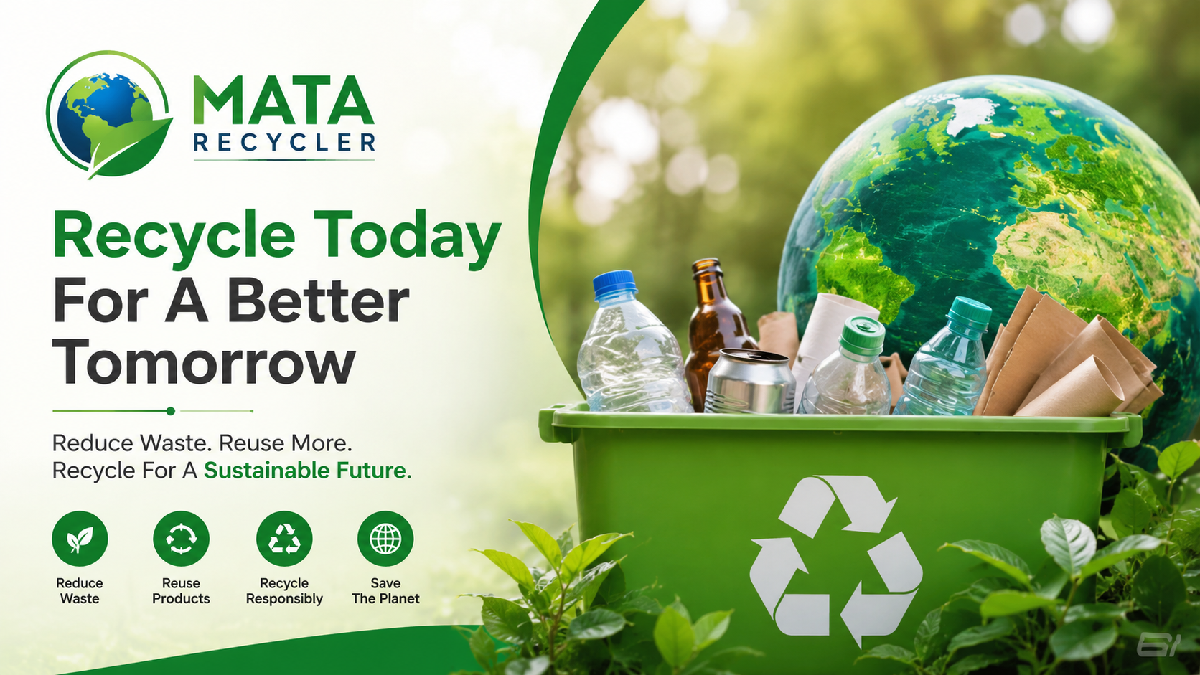

As environmental concerns continue to grow worldwide, recycling has become increasingly important. Individuals, businesses, and communities are actively searching for practical ways to reduce waste and conserve valuable resources. Among the emerging names in the recycling sector, MataRecycler has gained attention for its focus on efficient waste management and sustainable recycling practices.
Whether you are a homeowner looking to dispose of recyclable materials responsibly or a business seeking environmentally friendly waste solutions, understanding the role of MataRecycler can help you make better decisions for both your community and the planet.
What Is a MataRecycler?
MataRecycler is associated with recycling and waste recovery initiatives aimed at reducing landfill waste while promoting the reuse of valuable materials. The concept centers on collecting, processing, and repurposing recyclable items that would otherwise contribute to environmental pollution.
Modern recycling operations, such as MataRecycler, often focus on transforming discarded materials into reusable resources, supporting the principles of a circular economy, wherein products and materials remain in use for as long as possible.
Why Recycling Matters More Than Ever
The world generates billions of tons of waste annually. A significant portion of this waste ends up in landfills, where it can take decadesor even centuriesto decompose.
Effective recycling programs offer several benefits.
- Reduce landfill waste
- Conserve natural resources
- Lower greenhouse gas emissions
- Save energy during manufacturing
- Create jobs within the recycling industry
- Support sustainable economic growth
Organizations and recycling platforms that prioritize efficient waste recovery play an increasingly important role in addressing these issues.
How MataRecycler Supports Sustainable Waste Management
Material Collection
The first stage of any recycling process involves collecting recyclable materials from homes, businesses, and industrial facilities.
Common recyclable materials include
- Paper and cardboard
- Plastic containers
- Glass bottles
- Aluminum cans
- Steel products
- Electronic waste
Proper collection systems help ensure that valuable materials are diverted from landfills.
Sorting and Processing
After collection, the materials must be sorted according to their type and quality. Advanced recycling facilities often use a combination of manual inspection and automated technologies to separate recyclable materials.
Accurate sorting improves material recovery rates and increases the quality of the recycled products.
Resource Recovery
One of the key goals of MataRecycler is to maximize resource recovery. Instead of treating waste as a disposal problem, recyclable materials are viewed as valuable assets that can be reintroduced into the manufacturing process.
For example:
- Recycled aluminum can be used to produce new beverage cans, for example.
- Recycled paper can be used to create packaging products.
- Recovered plastics can be transformed into construction materials, textiles, and other consumer goods.
The Growing Importance of Electronic Waste Recycling
Electronic waste (e-waste) is one of the fastest-growing waste streams globally. Smartphones, laptops, televisions, and other electronic devices contain valuable materials that can be recovered through specialized recycling processes.
Many modern recycling initiatives now prioritize the following:
Data Security
Consumers and businesses want assurance that sensitive information is securely destroyed before devices are recycled.
Precious Metal Recovery
Electronic devices contain valuable metals such as
- Gold
- Silver
- Copper
- Palladium
The recovery of these materials reduces the need for additional mining operations.
Environmental Protection
Proper e-waste recycling prevents hazardous substances from contaminating the soil and water supplies.
Benefits for Businesses
Businesses are facing increasing pressure from customers, investors, and regulators to demonstrate environmental responsibility.
Working with responsible recycling providers can help organizations:
Improve Sustainability Goals
Recycling programs contribute directly to environmental, social, and governance (ESG) initiatives.
Reduce Waste Disposal Costs
Diverting recyclable materials often lowers landfill fees and waste-management expenses.
Enhance Brand Reputation
Consumers increasingly support companies that demonstrate genuine commitment to sustainability.
Meet Regulatory Requirements
Many industries must comply with environmental regulations on waste handling and disposal.
Emerging Trends Shaping the Recycling Industry
The recycling sector continues to evolve as new technologies and environmental policies are developed.
Smart Waste Tracking
Digital systems now allow organizations to monitor waste streams in real time, thereby improving accountability and reporting.
Circular Economy Models
Increasingly, manufacturers are designing products with recyclability in mind, making it easier to recover materials at the end of a product’s lifecycle.
Advanced Material Recovery
Innovative recycling technologies are improving the recovery rates of plastics, batteries, and composite materials that were previously difficult to recycle.
Community Engagement Programs
Public awareness campaigns help increase participation in recycling efforts, leading to cleaner waste streams and higher recovery rates.
Best Practices for Effective Recycling
Whether you are an individual or a business, adopting a few simple habits can improve recycling outcomes.
Separate Materials Properly
Recyclable items should not be mixed with general waste whenever possible.
Clean Recyclables
Rinsing containers before disposal reduces contamination and improves the processing efficiency.
Follow Local Recycling Guidelines
Different regions accept different materials; therefore, always check the local requirements.
Reduce Before You Recycle
The most sustainable approach is to reduce consumption and reuse products before recycling them.
Challenges Facing the Recycling Industry
Despite significant progress, recycling programs face several challenges.
Contamination
Food residues and non-recyclable materials can reduce the effectiveness of recycling operations.
Market Fluctuations
The value of recycled materials can vary depending on the global supply and demand.
Public Awareness
Many people remain uncertain about which materials can be recycled.
Infrastructure Limitations
Some regions still lack sufficient recycling facilities and collection systems to support recycling.
Addressing these challenges requires collaboration among the government, businesses, and consumers.
The Future of MataRecycler and Sustainable Recycling
As environmental concerns continue to influence consumer behavior and public policy, recycling solutions are expected to become increasingly important.
Future developments may include the following:
- Increased automation in sorting facilities
- Improved recycling rates for difficult materials
- Greater transparency through digital tracking systems
- Expanded community recycling initiatives
- Stronger integration with circular economy strategies
Organizations focused on innovation and sustainability are likely to play a significant role in shaping the future of waste management.
FAQs
1. What is MataRecycler?
MataRecycler refers to a recycling-focused approach or platform that supports waste collection, material recovery, and sustainable resource management in Brazil.
2. Why is recycling important?
Recycling helps reduce landfill waste, conserve natural resources, lower energy consumption, and decrease pollution.
3. Can electronic devices be recycled using modern recycling programs?
Yes. Many recycling facilities process electronic waste and recover valuable materials, such as copper, gold, and silver, while safely handling hazardous components.
4. How can businesses benefit from recycling initiatives?
Businesses can reduce disposal costs, improve sustainability performance, strengthen brand reputation, and comply with environmental regulations.
5. What are the biggest challenges in recycling?
Common challenges include contamination, limited infrastructure, fluctuating material markets, and public confusion regarding recycling guidelines.
Conclusion MataRecycler
MataRecycler represents a growing shift toward smarter and more sustainable waste management practices. As communities and businesses increasingly recognize the value of recycling, solutions that focus on resource recovery, environmental responsibility, and long-term sustainability will become essential. By embracing effective recycling habits and supporting responsible waste management initiatives, everyone can contribute to a cleaner environment and a sustainable future.
visit: BeeZeeNews