
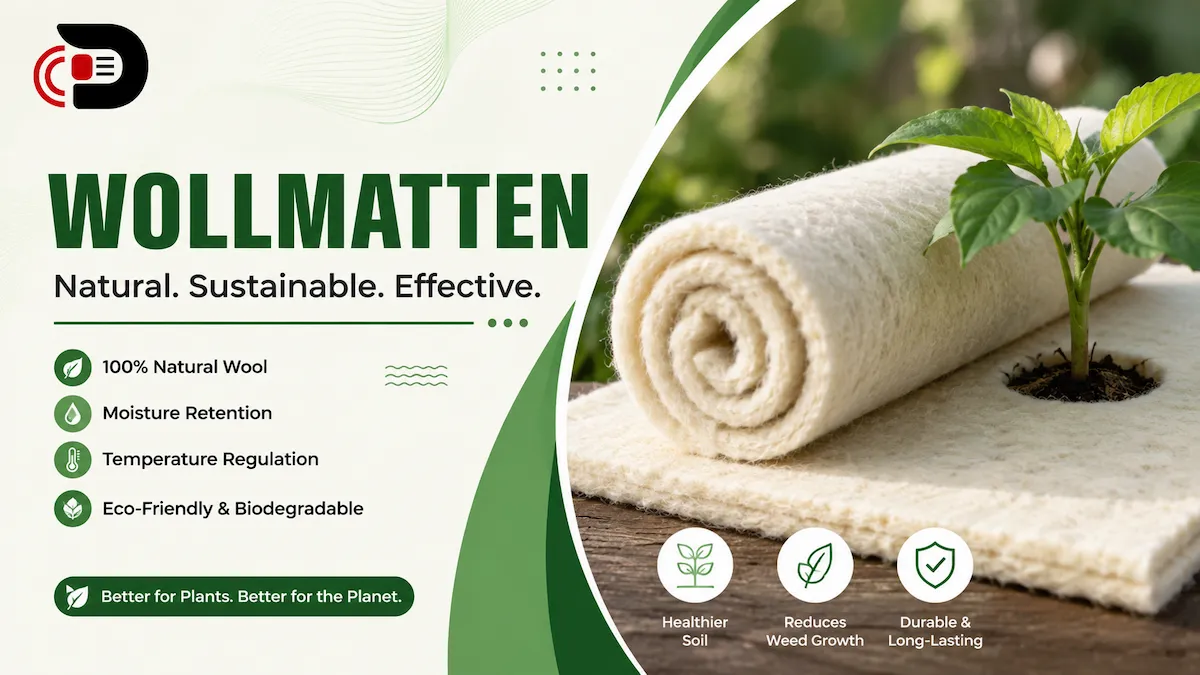

The use of natural materials is on the rise, as homeowners, gardeners, and growers seek to use alternative sustainable resources in place of synthetic ones. One such example is the wollmatten, which has found its niche in the hearts of many eco-conscious individuals.
From gardening and growing to insulation and home uses, these wool mats offer a wide degree of benefits while being made from natural, biodegradable, and sustainable materials that can rival synthetic counterparts in terms of function and versatility.
This article will serve to introduce the subject of wool matts, what are they used for, and why they have become such a popular choice for those seeking to make their projects and homes as sustainable as possible.
What Are Wollmatten?
As mentioned, the term ‘wollmatten’ is German for ‘wool mats’. These are precisely that – mats made from processed wool, usually sheep’s wool. Unlike their synthetic counterparts, which are often made from plastics and other petroleum by-products, these natural mats and rolls are made from natural materials.
Depending on the desired use and purpose, they can be processed into different consistencies, densities, and sizes.
Wool mats are valued for several unique characteristics:
- Excellent moisture regulation
- Natural insulation properties
- Biodegradability
- Long-lasting performance
- Sustainable sourcing
- Ability to retain nutrients
These qualities make them suitable for a wide range of applications.
Why Wool Is Such an Effective Material
Wool has been used by humans for thousands of years. Its natural properties have proven to be extremely useful and desirable. Many modern materials seek to imitate wool’s qualities.
Temperature Regulation
The fibers of wool contain an amazing amount of air, allowing the wool to keep warm. This insulative quality is especially useful for the creation of such items as wool mats and other objects that require insulation and protection from the cold.
In a garden, this insulative quality can be used to protect the roots of plants from the cold.
Moisture Management
Perhaps the most amazing quality of wool is its ability to absorb and release water vapor. A wool mat is capable of storing water and gradually releasing it into the air. This property can be used to keep the soil of a garden moist, even during the dry season.
Natural Durability
The fibers of wool are amazingly durable. A properly made wool mat will last for decades before gradually falling apart.
Common Uses
The most common use of wool mats is in the garden. Many people use them to grow plants. They can be used in many different capacities. For example, some people use wool mats to grow vegetables.
Benefits include:
- Reduced weed growth
- Improved moisture retention
- Better soil temperature control
- Reduced evaporation
- Gradual nutrient release as the wool decomposes
Vegetable gardens, flower beds, and raised planters can all benefit from this approach.
Tree and Shrub Protection
Young trees and shrubs often struggle with moisture loss and weed competition.
Wollmatten placed around the base of plants create a protective layer that helps preserve soil moisture while limiting weed growth. This can reduce maintenance and support healthier plant development.
Sustainable Agriculture
Farmers are increasingly exploring biodegradable materials to reduce plastic waste.
Wool mats provide an environmentally responsible alternative to synthetic ground covers. As they naturally decompose, they contribute organic matter to the soil rather than creating long-term waste.
Building Insulation
Natural building materials have become increasingly popular in sustainable construction.
Wollmatten are sometimes used for:
- Wall insulation
- Roof insulation
- Acoustic insulation
- Energy-efficient renovation projects
Their ability to regulate humidity and temperature makes them attractive for eco-conscious builders.
Indoor Applications
Some wool mats are designed for indoor use.
Examples include:
- Decorative floor mats
- Sound-absorbing panels
- Pet bedding
- Craft and DIY projects
The softness and natural appearance of wool can enhance interior spaces while providing functional benefits.
Environmental Benefits of Wollmatten
These days, sustainability is a top priority for both individuals and companies.
Renewable Resource
Sheep produce wool annually, meaning that this natural resource is renewable.
Reduced Plastic Use
Many landscaping fabrics and insulation products are made from plastic, which can take centuries to decompose.
Biodegradable at the End of its Service Life
Wollmatten can be returned to the ecosystem, where it will slowly break down.
Recent Sustainability Trends that Have Made Wollmatten More Popular
One reason why Wollmatten is becoming more popular is due to recent sustainability trends.
Sustainable Gardening
More and more gardeners want to shop in an eco-friendly manner and choose products that minimize the impact on the environment. They are willing to give up plastic landscape fabrics and opt for a sustainable alternative. This is where Wollmatten come in handy.
Eco-friendly Insulation
Sustainability-linked building regulations are making it necessary to find new ways to insulate houses. Eco-friendly insulation materials are now trendy among construction companies
Circular Economy Trends
All over the world, there are ongoing initiatives to promote the circular economy. Such projects encourage people to buy products made from renewable resources and ensure that they are returned to the biosphere after use.
How to Choose the Right Wollmatten
Not all wool mats are identical. When selecting a product, consider the following factors:
Intended Use
Different applications require different specifications.
For example:
- Gardening mats prioritize water retention.
- Insulation mats focus on thermal performance.
- Decorative mats emphasize appearance and comfort.
Thickness
Thicker mats generally provide:
- Better insulation
- Greater moisture retention
- Longer lifespan
However, they may also cost more.
Material Quality
Look for products made from high-quality natural wool with minimal synthetic additives if sustainability is a priority.
Size and Coverage
Measure the area carefully before purchasing to ensure adequate coverage and avoid unnecessary waste.
Potential Limitations
While wollmatten offer many advantages, they may not be ideal in every situation.
Some considerations include:
- Higher upfront cost than certain synthetic alternatives
- Availability may vary by region
- Natural decomposition means eventual replacement is necessary
- Certain applications may require specialized wool treatments
Understanding these factors helps users make informed decisions based on their specific needs.
FAQs
1. What does wollmatten mean?
Wollmatten is a German word that means wool mats. They are generally made of processed wool from sheep and may have various applications, including horticulture, insulation, and landscaping.
2. Are wollmatten eco-friendly?
Wollmatten are usually made from renewable resources and are biodegradable, making them an environmentally sustainable option.
3. Can I use wool mats for growing plants?
Wollmatten promote healthy plant growth and provide good insulation. They also prevent the growth of weeds and add nutrients to the soil.
4. How long do wool mats last?
Depending on the brand and your needs, wool mats can sometimes retain their quality for a relatively long time before degrading.
5. Can I use wollmatten for insulation?
The natural properties of wool provide good thermal and acoustic insulation, so some types of wollmatten can insulate buildings.
Conclusion
Wollmatten truly epitomize the concept of sustainability. From horticultural uses to home insulation, wool mats have been found to be useful in a wide range of fields. The unique properties of wollmatten, such as their ability to retain moisture, prevent weed growth, add nutrients to the soil, and provide good insulation, make them advantageous in various areas, including landscaping or gardening. Since they are made from renewable resources and are generally biodegradable, wollmatten are environmentally friendly. As the demand for eco-friendly options continues to rise, these multifunctional mats will become more popular.