
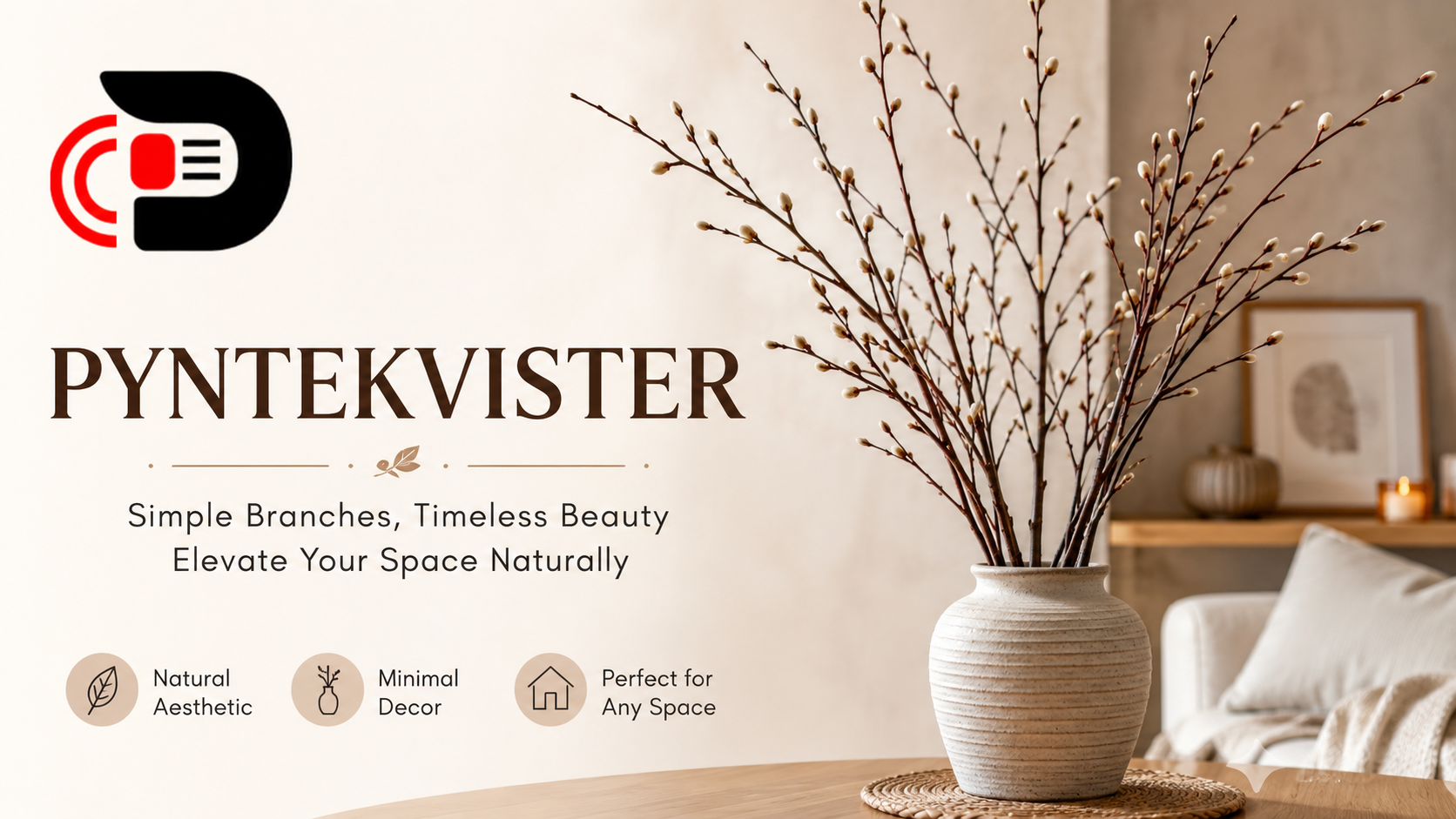

Interior design trends continue to evolve and change over time, but some elements remain popular due to their versatility and beauty. One such example is pyntekvister, a Scandinavian term for decorative branches that can be displayed in a house to add texture and beauty.
Pyntekvister can be used to create simple arrangements in a minimalist vase, be part of a seasonal display, or serve as a natural decorating detail in a larger composition. This idea has grown in popularity in recent years as people have sought to bring more natural elements into their homes.
What Are Pyntekvister?
In general, pyntekvister are simply decorative branches used to enhance a home or other building. They might be made from real natural branches or be specially made and dried to resemble them.
While traditional floral arrangements of fresh flowers need to be taken care of and changed often, pyntekvister can be a part of a larger display or stand alone in a minimalist vase as a natural decorating detail.
Common materials include:
- Birch branches
- Willow branches
- Cherry blossom branches
- Eucalyptus stems
- Curly hazel branches
- Artificial decorative twigs
Their appeal lies in their simplicity. Even a few carefully arranged branches can transform an empty corner or tabletop into a stylish focal point.
Why Have Pyntekvister Become Popular
The popularity of pyntekvister is directly tied to modern trends of interior decoration. The desire of people to have a tidy but warm house with unique style features is growing stronger. Decorative branches can meet all the requirements in terms of beauty and functionality.
The advantages offered by pyntekvister consist in:
Natural Beauty
branches add unusual shapes and volumes to the familiar surroundings characterized by right angles and minimal furniture;
Easy Care
unlike floral decorations, they do not require special maintenance;
All-Year Round Use
this tool in design is convenient in use regardless of seasons, and it is possible to change the appearance with pyntekvister by alternating compositions;
Ecological Safety
the raw material for creating this masterpiece of decorative art is natural and often available in the local vicinity.
Tips on Choosing or Buying Pyntekvister for the Interior or Office
It is not so difficult to choose pyntekvister because it is one of the most versatile decorations. It can be used in different rooms and even during the entire year. For example, pyntekvister makes an excellent composition in the entryway. To do this, you just need to put the selected branches in the large vase, which sets the tone for the entire entrance. In the dining room, pyntekvister will act as a center table decoration without taking much space. In the living room, it will set the stage for interior volumes. Moreover, pyntekvister is suitable even for the bedroom as a simplified composition. Another location for use is the office, since many companies are now moving to decorating the workspace with natural decorations.
Seasonal Decorating with Pyntekvister
One reason pyntekvister remain relevant is their adaptability throughout the year.
Spring
- Cherry blossom branches
- Light-colored decorative twigs
- Fresh greenery accents
Summer
- Eucalyptus stems
- Coastal-inspired arrangements
- Natural wooden textures
Autumn
- Branches with colorful leaves
- Warm earth tones
- Dried botanical elements
Winter
- White-painted branches
- LED light decorations
- Pine and evergreen accents
A single arrangement can often be updated seasonally rather than replaced entirely.
Choosing the Right Pyntekvister for Your Space
Not all decorative branches create the same effect. The right choice depends on the style and size of the room.
For Minimalist Interiors
Choose:
- Birch branches
- Curly willow
- Neutral-toned branches
These options maintain a clean and uncluttered appearance.
For Rustic Interiors
Consider:
- Natural tree branches
- Preserved wood elements
- Wollmatten Explained Benefits
- Branches with visible texture
These complement farmhouse and countryside-inspired designs.
For Contemporary Homes
Artificial decorative branches with sculptural shapes often work particularly well in modern settings.
Styling Tips for Better Results
Decorative branches may appear simple, but thoughtful styling can significantly improve the final look.
Use Appropriate Vase Sizes
Tall branches require heavy, stable vases to maintain balance and prevent tipping.
Avoid Overcrowding
A few carefully selected branches often create a stronger visual impact than a large, crowded arrangement.
Consider Scale
Large rooms benefit from taller arrangements, while compact spaces usually look better with smaller displays.
Add Lighting
Many homeowners now wrap small LED lights around pyntekvister to create ambient evening lighting.
Current Trends in Decorative Branch Design
Recent interior design trends show increasing interest in nature-inspired décor. Decorative branches fit perfectly into this movement.
Popular trends include:
- Sustainable home styling
- Scandinavian-inspired interiors
- Japandi design aesthetics
- Biophilic design concepts
- Dried botanical arrangements
The combination of simplicity, sustainability, and visual impact has helped pyntekvister remain relevant in contemporary homes.
Natural vs Artificial Pyntekvister
Both options have advantages.
| Feature | Natural Branches | Artificial Branches |
| Appearance | Authentic and unique | Consistent and polished |
| Maintenance | May require occasional replacement | Long-lasting |
| Cost | Often inexpensive | Higher upfront cost |
| Sustainability | Can be eco-friendly if sourced responsibly | Reusable for years |
| Flexibility | Limited lifespan | Available in many styles |
The best option depends on personal preference, budget, and intended use.
How to Care for Decorative Branches
Maintenance requirements are generally minimal.
For natural branches:
- Keep them dry.
- Dust regularly.
- Replace damaged branches when needed.
For artificial branches:
- Wipe with a soft cloth.
- Store carefully when not in use.
- Avoid prolonged exposure to direct sunlight to prevent fading.
Proper care helps maintain their appearance for years.
FAQs
1. What are pyntekvister?
Pyntekvister is a Scandinavian word for decorative branches or twigs that are used as interior and exterior decorations.
2. Can pyntekvister be used for modern houses?
Yes, because of their simplicity and natural appearance, they are quite popular in modern minimalist houses, Scandinavian style, Japanese style, and Japandi.
3. Can real branches be used as pyntekvister?
Yes, some people use their natural branches from their gardens or forests to decorate their house with pyntekvister.
4. How long will the decorative twigs last?
Depending on the material, natural dried twigs can last for years in your house, while artificial ones will keep looking nice for decades.
5. What kind of vase is the best for pyntekvister?
The best choice for vases would be tall ones made of ceramic, glass, or stone. This way, you can also make the twig installation more prominent.
Conclusion
Decorative twigs remind us that the most straightforward things can sometimes be the most beautiful. They are versatile, easy to maintain, and look stunning in most places. Therefore, every home decorator, housewife, or small business owner should consider using pyntekvister for their interior or exterior decorations. If you liked the idea of using natural branches and twigs but thought that they were too rustic for your modern home, you were wrong. No matter what style of house you have, you can find a way to incorporate decorative twigs and make your house look amazing. In a time when natural decoration is making a comeback, it is essential to remember that the most exquisite things in life are made from the most simple materials, such as pyntekvister.